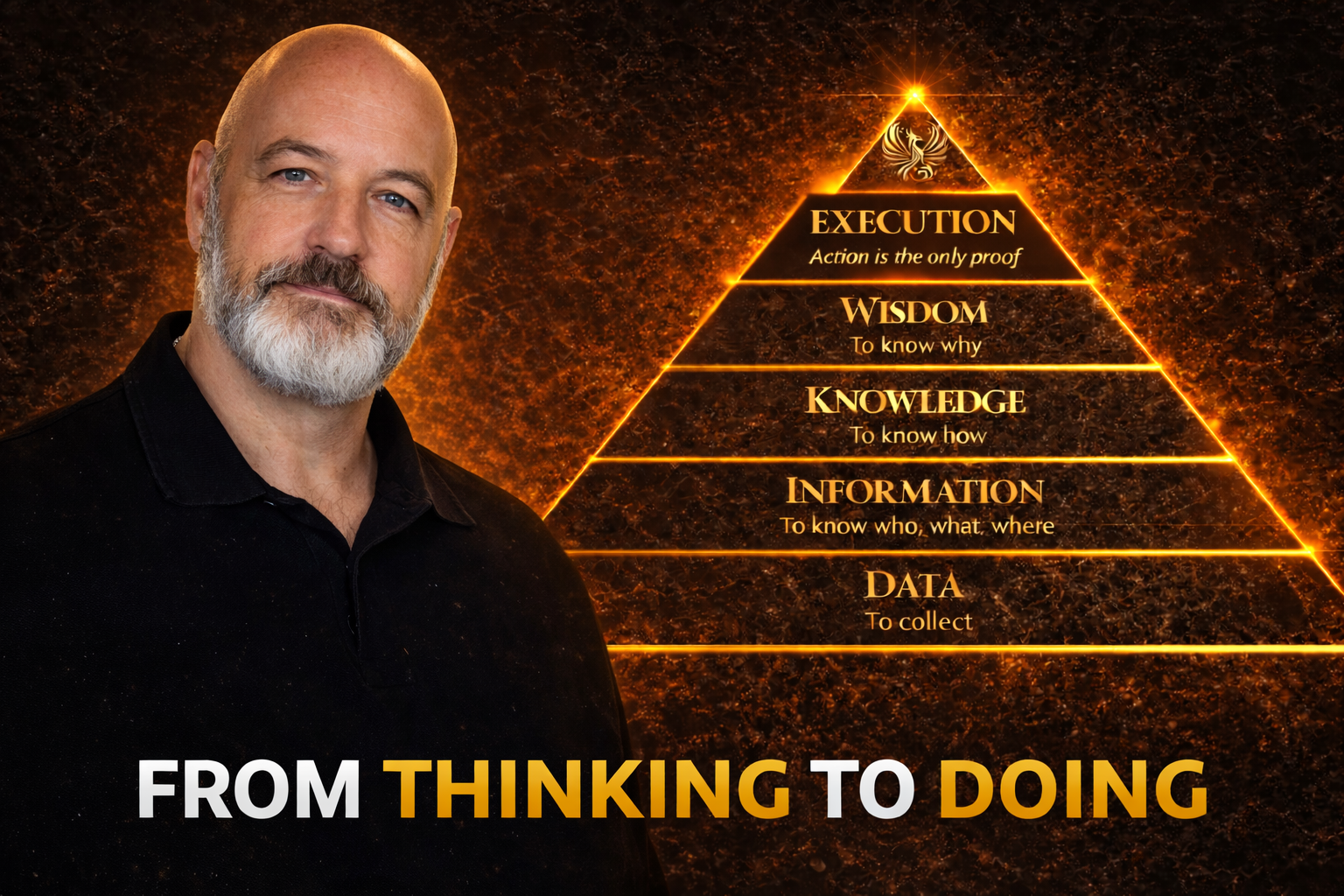
Execution Control: Build the System that Restores Operational Stability
Execution Control: Build the System that Restores Operational Stability
Execution control systems are missing in too many SMEs. This absence leaves founders as bottlenecks, trapping decisions and slowing progress. You can build a system that holds under pressure, cuts founder dependency, and enforces a steady execution cadence. This post shows how to install that system and restore operational stability in your business. For more insights, visit this comprehensive guide.
Establishing Execution Control
Execution control systems are vital for any SME striving for consistency. Let's explore how they can be the difference between chaos and stability.
Understanding Execution Control Systems
Execution control systems are the backbone of reliable operations. They keep things moving smoothly and make sure decisions don't get stuck. Imagine a train network where each station represents a decision point. Without a control system, trains (decisions) might collide or stall. These systems bring clarity and ensure each train reaches its destination. They help allocate resources efficiently and reduce downtime. In SMEs, this means decisions are made on time, and everyone knows what they're responsible for. This clarity reduces stress and keeps projects on track. Businesses that adopt these systems often see a noticeable improvement in productivity. To understand more about these systems, check out this resource.
Overcoming Founder Dependency
The founder often becomes the go-to person for everything. This creates a bottleneck that slows progress. The key is to distribute decision-making. Start by identifying tasks that can be delegated. Consider the founder as the conductor of an orchestra. Without delegation, they play every instrument themselves. By assigning roles, each team member plays their part, creating harmony. Delegation allows founders to focus on strategic tasks, not daily operations. This shift not only frees up the founder's time but also empowers the team to make decisions, boosting their confidence and productivity.
Ensuring Operational Stability
When systems are in place, operations run like clockwork. Stability is achieved through consistent processes and clear communication. Think of an old clock that keeps perfect time. Each gear has a role, and if one fails, the clock stops. Operational stability ensures that all gears are in sync. This requires regular checks and balances. Implementing regular reviews and feedback loops helps maintain this balance. It also allows for quick adjustments when things go off track. For strategies on maintaining stability, explore this article.
Designing the Leadership Operating System
To sustain stability, a leadership operating system must be crafted. This system enables leaders to guide without micromanaging.
Clarifying Decision Ownership
Decision ownership is about knowing who decides what. It prevents decision paralysis. Imagine a football team where no one knows who calls the plays. Chaos ensues. Clear decision ownership turns chaos into order. Each team member knows their role and responsibilities. This clarity accelerates decision-making and reduces errors. Establishing decision ownership involves mapping decisions and assigning them to the right people. This clarity not only improves efficiency but also accountability.
Structuring Execution Cadence
Execution cadence is the rhythm of your business operations. It's the heartbeat that keeps everything moving. Consistent rhythms prevent rushes and lulls in productivity. Think of it as a drumbeat that everyone follows. Without it, the team might move at different paces, causing confusion. A well-structured cadence ensures everyone is aligned and working towards common goals. It includes setting regular check-ins, deadlines, and feedback sessions. This structure not only keeps the team focused but also adaptable to change.
Implementing a Weekly Operating Rhythm
A weekly operating rhythm is a set schedule for meetings and reviews. It keeps everyone on the same page. Consider it a weekly roadmap guiding the team. With regular check-ins, small issues are addressed before becoming big problems. This rhythm provides a predictable schedule, reducing uncertainty. It helps in planning and prioritizing tasks effectively. Introducing this rhythm involves setting a weekly agenda and sticking to it. Over time, it becomes a habit that enhances productivity and communication. For more on implementing rhythms, visit this resource.
Building Accountability Systems
Accountability systems are crucial for maintaining discipline and momentum. They ensure everyone is responsible for their tasks and outcomes.
Managing Delivery Governance
Delivery governance oversees the progress of tasks. It ensures that projects stay on track. Imagine a ship with a clear course. Delivery governance is the compass that keeps it from drifting. It involves setting clear goals, timelines, and accountability measures. Regularly reviewing progress helps identify areas needing adjustment. It also celebrates successes, motivating the team. Establishing delivery governance means setting up reporting systems and regular updates. This transparency keeps everyone aligned and committed.
Reducing Founder Bottleneck
Reducing the founder's bottleneck is essential for speed and agility. When founders hold too much control, decisions slow. The solution is decentralization. Imagine a relay race where the founder runs every leg. Pass the baton to others. By empowering team members to make decisions, the load is shared. This shift not only speeds up the process but also builds trust within the team. The founder can then focus on strategic vision rather than daily tasks.
Enforcing Execution Discipline
Execution discipline ensures tasks are completed as planned. It's about sticking to commitments and maintaining standards. Think of it as a coach holding players accountable for their training. Without discipline, execution falters. Implementing discipline involves setting clear expectations and regular follow-ups. It also means addressing issues promptly and learning from them. This continuous improvement cycle keeps the team sharp and focused. Here's the key insight: disciplined execution turns plans into results. By enforcing discipline, you build a culture of reliability and trust.
In sum, execution control systems bring clarity and reliability. They reduce founder dependency and enhance operational stability. With proper systems in place, your SME can thrive without constant intervention. Remember, progress is driven by execution, not potential.


