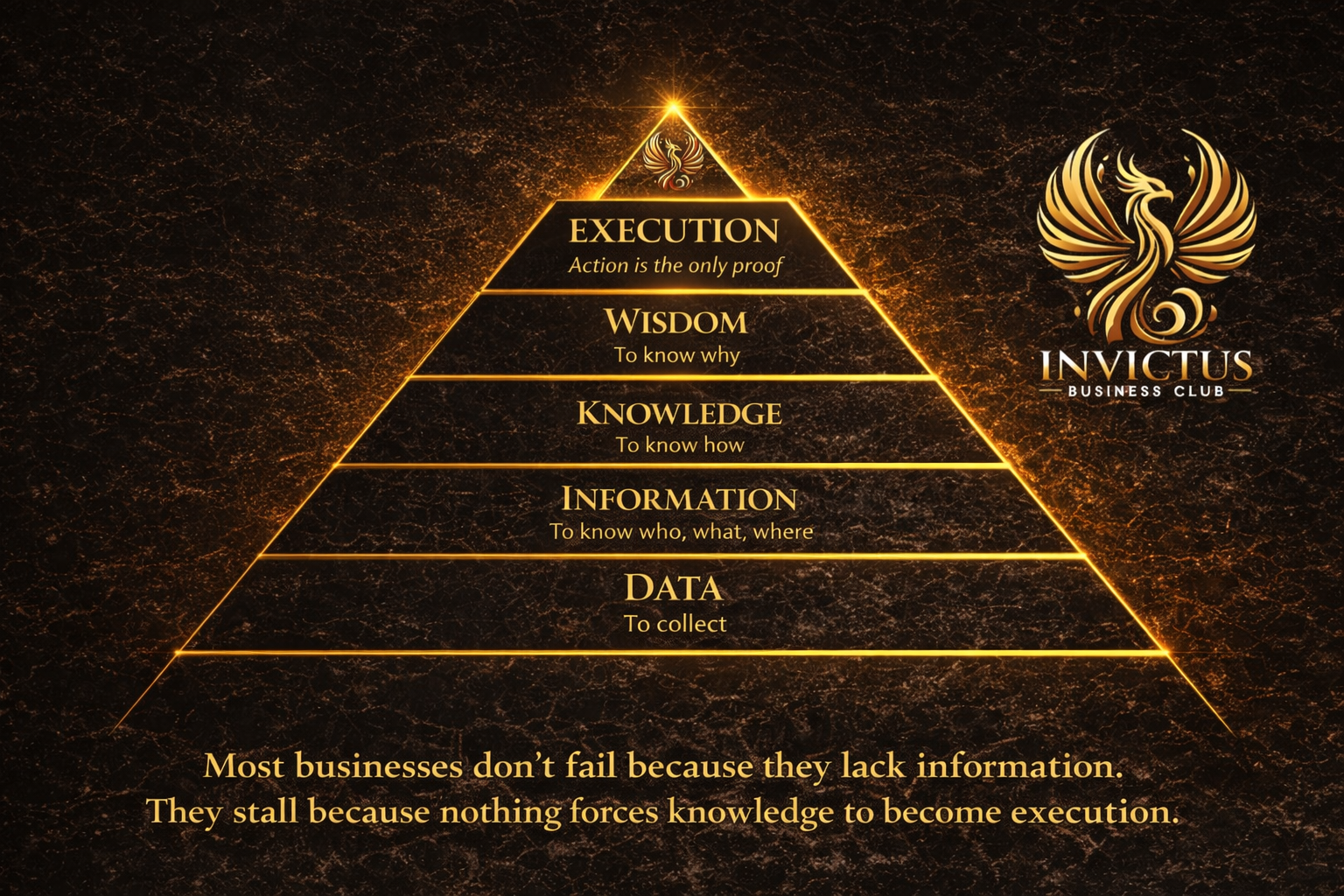
Execution discipline: Make decisions hold. Make outcomes repeat.
Execution Discipline: Make Decisions Hold. Make Outcomes Repeat.
You know the plans you made last quarter? They rarely stick. Execution drifts, decisions stall, and progress slows. Execution discipline is the missing link—turning your strategic choices into consistent, repeatable outcomes. This is about fixing founder dependency and installing clarity so your business moves without you holding it back. Learn more about execution discipline and how it can transform your business.
Strengthening Execution Discipline
The path to consistent results begins with solid execution discipline. It’s about taking strategic decisions and converting them into reliable outcomes.
Establishing Clear Decision Rights
Start by defining who makes the decisions. Without clear decision rights, confusion reigns. You’ll find that your team is uncertain about who holds the reins. Clarity helps everyone know their role and responsibilities. When people know what decisions they can make, it reduces bottlenecks. You’ll see faster progress and fewer delays.
A practical step is assigning decision rights for key areas. For instance, let your marketing head decide on campaign budgets. This empowers them and frees you from every small choice. Not only does this boost morale, but it also increases efficiency. You’ll be amazed at how much smoother things run.
Explore how leaders like Larry Bossidy have harnessed decision rights for better outcomes. Read more about their approach here.
Narrowing Priorities for Focus
Too many priorities lead to chaos. You must learn to narrow your focus. By concentrating on fewer goals, you can achieve more. This doesn’t mean ignoring other tasks, but prioritising what matters most.
Try focusing on three main objectives at a time. For example, if revenue growth, customer satisfaction, and product development are priorities, give them your attention. This focused approach leads to tangible results.
Remember, spreading yourself too thin dilutes effort. Instead, channel your energy into what truly counts. The benefits of this focus are clearer targets and better results.
Building a Visible Cadence
Consistency is key. Establish a regular rhythm for checking progress. This keeps everyone aligned and on track. Without a visible cadence, progress stalls, and momentum fades.
Set weekly or monthly check-ins to review goals. For instance, a Monday morning meeting can set the tone for the week. These sessions ensure everyone is moving in the same direction.
Regular reviews highlight achievements and areas needing attention. This approach fosters accountability and keeps the team motivated. Consistency in your cadence translates to consistency in outcomes.
Overcoming Founder Dependency
Founder dependency is a silent killer of progress. It’s crucial to build a business that operates without constant founder input.
Identifying Core Structural Constraints
Begin by spotting the structural barriers that hold you back. These constraints often stem from processes that rely too heavily on the founder. Identifying them is the first step to overcoming them.
Look for tasks that stall without your input. These are your constraints. For example, if every major decision needs your nod, that’s a bottleneck. Recognising these areas helps you address them directly.
By pinpointing constraints, you pave the way for smoother operations. This clarity allows for targeted solutions, freeing you from unnecessary burdens.
Transitioning from Founder-led to Leader-led
Shift from a founder-centric model to one led by capable leaders. This transition empowers your team and reduces your workload. A leader-led approach distributes responsibility effectively.
Start by delegating authority to trusted leaders. Trust your sales director with pricing decisions, for instance. This change not only empowers but also builds trust within your team.
With leaders in place, the business can thrive without your constant oversight. This independence fosters growth and stability, allowing you to focus on strategic initiatives.
Designing Leadership Independence
Design your leadership structure for long-term independence. This involves creating systems that don’t hinge on any one person. A resilient structure stands strong, even in your absence.
Develop clear processes and guidelines for all roles. For example, ensure your HR department has a defined recruitment process. This clarity ensures operations continue smoothly, regardless of who’s at the helm.
By fostering leadership independence, you build a robust business. This strength translates to sustained growth and reduced stress for you.
Installing an Execution Operating System
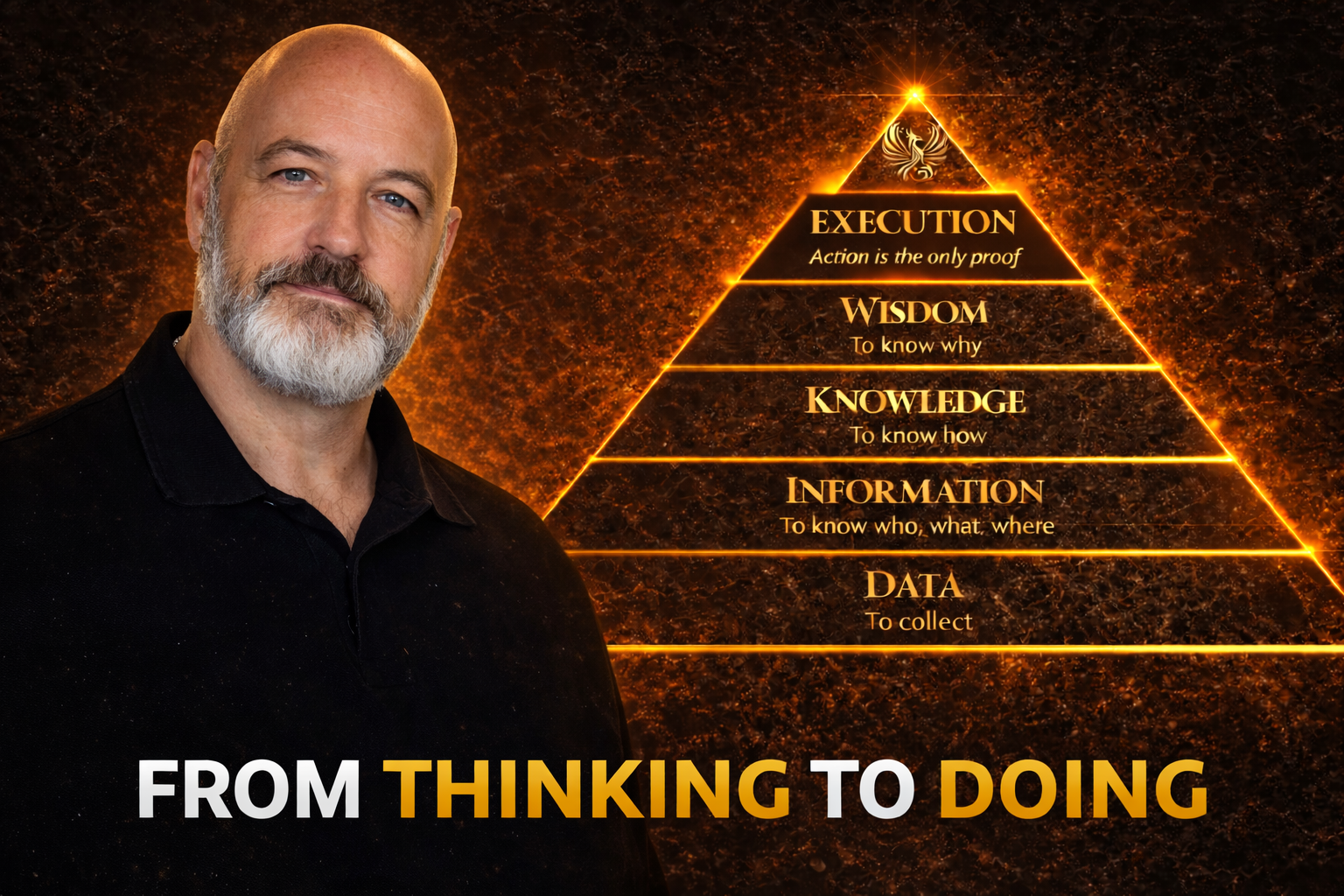
An execution operating system is your framework for consistent success. It ensures strategic decisions translate into action and results.
Emphasising Operational Clarity
Operational clarity is vital for smooth execution. It involves setting clear expectations and processes. When your team knows what’s expected, they perform better.
Create detailed process maps for key operations. For instance, outline the steps for product launches. This clarity reduces misunderstandings and enhances performance.
Clarity in operations leads to improved efficiency and fewer errors. It creates an environment where everyone knows their role and responsibilities.
Setting Non-optional Accountability Standards
Accountability drives results. Set standards that aren’t optional. This ensures everyone is responsible for their part in the process.
Establish key performance indicators (KPIs) for each role. For example, set a target for monthly sales growth. These metrics hold everyone accountable for their contributions.
When accountability is baked into your system, performance improves. This leads to consistent outcomes and steady progress.
Creating a Consistent Execution Rhythm
Rhythm in execution is crucial for maintaining momentum. It’s about establishing regular patterns that keep the team engaged and focused.
Develop a schedule for regular progress reviews. This could be a monthly project update meeting. These sessions help maintain focus and identify issues early.
A consistent rhythm in execution fosters a culture of discipline. It ensures that strategic decisions are implemented effectively and outcomes are achieved.
By implementing these strategies, you’ll transform your business. You’ll move from being the bottleneck to building a self-sustaining enterprise, capable of thriving without your constant involvement.


