Execution Friction in SMEs: Identify and Remove Founder Dependency
Execution Friction in SMEs: Identify and Remove Founder Dependency
Founder dependency is the hidden drag slowing SME execution. You already know where your business stalls—decisions bottleneck with you, progress feels inconsistent, and the day never ends. This post exposes the structural constraints behind execution friction and shows how redesigning decision rights and operational cadence can reduce founder dependency. Start here to diagnose your biggest constraint and take control of execution discipline.
Diagnose Founder Dependency
Understanding where your business stalls is the first step toward regaining control. Founder dependency often creates execution friction, slowing progress and adding frustration.
Identify Execution Friction
Execution friction in SMEs often arises from unclear decision paths. When decisions bottleneck with you, progress halts. Each day ends with tasks unfinished and goals unmet. The drag on your business is not from lack of effort but from structural constraints. Consider how often team members wait for your approval. This delay is not just frustrating; it is costly. Studies show that 77% of SMEs face delays due to decision bottlenecks. The key insight here is simple: bottlenecks waste time.
Recognise Founder Dependency Signs
Founder dependency is a silent growth killer. Look for signs like stalled projects or repeated last-minute decisions. These are red flags that the business relies too heavily on you. The longer you remain the pivot point, the harder it is to scale. Most SMEs face this challenge, yet many fail to address it. The assumption that founders must guide every decision is flawed. Recognising these signs early can save you time and resources.
Evaluate Leadership Independence
Leadership independence is crucial for reducing dependency. Evaluate if your leadership can function without constant input from you. Independent teams drive progress, while dependent ones wait for direction. This autonomy is not just beneficial; it is essential for sustainable growth. When leadership is independent, decisions become faster and more effective. This shift allows founders to focus on strategy rather than daily operations. Here's the key takeaway: leadership independence accelerates progress.
Redesign Decision Rights
Once you identify the friction, the next step is to redesign decision rights. This change shifts the business from founder-led to leader-led, freeing up your time and energy.
Define Decision Ownership
Ownership of decisions needs clarity. Define roles and responsibilities clearly so that decisions are made without your intervention. Start by mapping out who decides what. This clarity ensures that team members know their scope of authority. When decision ownership is well-defined, execution becomes smoother. The benefit is clear: you gain back hours previously spent on micro-decisions.
Establish Operational Cadence
Operational cadence is the heartbeat of your business. It sets the rhythm for execution. Establishing a regular cadence means the business can function predictably without your constant oversight. This regularity ensures tasks are completed on time, aligning efforts across the team. A well-established cadence reduces the chaos of last-minute rushes, improving overall efficiency. Here’s why it matters: consistency creates calm.
Authority Design for SMEs
Authority design is not just for large corporations; SMEs need it too. Design authority structures that empower teams to act decisively. This empowerment breaks the cycle of dependency. By distributing authority, you create a resilient leadership structure. The result is a business that thrives even in your absence. The shift from centralised to distributed authority is more than a change; it is a transformation. Remember this: authority design is the foundation of independence.
Invictus: Structural Solutions
Invictus offers structural solutions designed to convert intent into measurable progress. These solutions surface real constraints, forcing decision-making and execution.
Execution Systems for SMEs
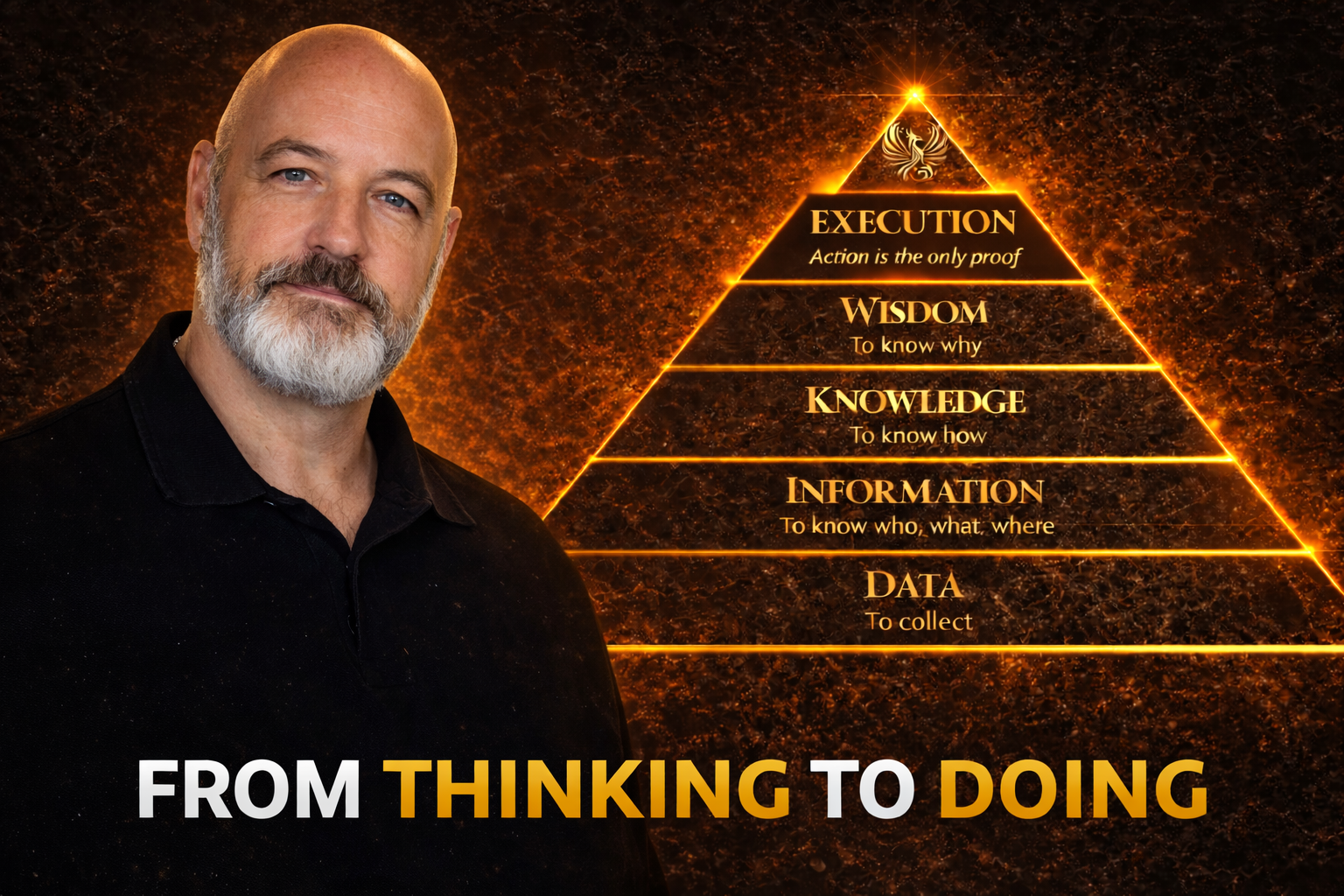
Execution systems are the backbone of operational success. Invictus provides systems that streamline processes and remove clutter. These systems ensure decisions translate into action. Without a proper execution system, even the best strategies fall flat. Invictus offers a structured approach that aligns actions with goals, ensuring consistent progress. The simplicity of these systems is their strength: they create order from chaos.
Achieve Strategic Ownership
Strategic ownership is about seeing the bigger picture. Invictus helps you transition from operator to strategic owner. This shift allows you to focus on long-term goals rather than daily tasks. By achieving strategic ownership, you position your business for sustained success. This transition is not just an upgrade; it is a necessity for growth. Strategic ownership means your business grows systematically, even when you step back.
Initiate Diagnostic Exposure
Diagnostic exposure is the first step toward identifying structural constraints. Invictus initiates this process, revealing areas where dependency hinders progress. By exposing these constraints, you gain clarity on what needs change. This honest diagnosis allows for targeted solutions that reduce dependency. The power of diagnostic exposure lies in its ability to turn ambiguity into action. Here’s the insight: clarity precedes change.
In conclusion, tackling execution friction and founder dependency involves a systematic approach to redesigning decision rights and establishing operational cadence. Invictus provides the structural solutions that SMEs need to move from intent to measurable progress, resulting in a business that operates independently and efficiently.


