
Founder Dependency Diagnostic: Structural Signals and Corrective Steps
Founder Dependency Diagnostic: Structural Signals and Corrective Steps
Decisions keep coming to you. Meetings multiply without clear outcomes. Standards shift when pressure rises. These are structural signals of founder dependency, not leadership flaws. This diagnostic names the operational cost of those patterns and outlines corrective steps that replace effort with standards-led control. If your organisation carries this weight, the Founder Dependency Diagnostic is your next deliberate move. For further insights, explore this resource.
Recognising Founder Dependency
Understanding your organisation's dependence on its founder is crucial. This section will help you identify telltale signs of founder dependency and its associated costs.
Key Structural Signals
Founder dependency often manifests through specific structural signals within your organisation. These can include decision bottlenecks where all major decisions require the founder's input. This not only slows down processes but also creates a single point of failure. A noticeable pattern is the escalation of minor decisions to the leadership level, which highlights a lack of decision rights clarity among the team. This causes unnecessary delays and frustrates team members who feel disempowered to act independently.
Another signal is the inconsistency in standards across different departments. When standards shift based on the founder's presence or absence, it indicates a lack of embedded systems and processes that can operate independently. This reliance on the founder's oversight creates operational drift, where the organisation's direction becomes unclear. The emotional load on the founder also increases, as they absorb pressures from all sides, leading to burnout. Recognising these signals is the first step towards addressing founder dependency and moving towards a more stable and scalable organisational structure.
Operational Costs of Dependency
The operational costs of founder dependency are significant. They can hinder growth and create an unsustainable work environment. When decisions bottleneck at the founder, it leads to slower response times and missed opportunities. This impacts the organisation's ability to be agile and responsive to market changes. The founder becomes a critical component in everyday operations, which is not sustainable in the long term. It creates an environment where the organisation cannot continue to grow without increasing the founder's workload.
Moreover, this dependency can lead to governance challenges. With decision-making concentrated at the top, there is a risk of reduced accountability and oversight. It can also strain relationships with stakeholders who may feel that the organisation lacks the necessary governance structure. This can impact the organisation's reputation and its ability to attract and retain talent. Addressing these operational costs is essential for any organisation looking to maintain long-term stability and growth.
Prescribing Corrective Steps
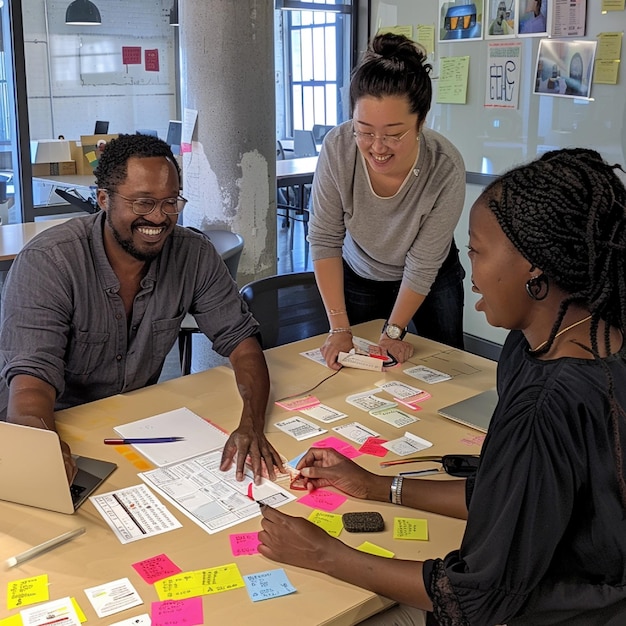
With the structural signals and operational costs identified, the next step involves implementing corrective measures. These steps aim to replace founder dependency with standards-led control.
Standards-Led Leadership
To reduce founder dependency, embedding standards-led leadership is critical. This approach involves establishing clear, consistent standards that guide decision-making across the organisation. By doing this, you create a framework that allows for autonomous decision-making within set parameters. This reduces the need for the founder to be involved in every decision and empowers team members to take responsibility.
A practical step is to define decision rights clearly. Each team member should understand their scope of authority and the decisions they can make independently. This not only speeds up processes but also encourages accountability at all levels. Implementing regular training sessions can help in reinforcing these standards and ensuring everyone is aligned. By embedding these practices, you create an environment where leadership is based on established standards, not individual personalities.
Installing Accountability Architecture
The next step is to install an accountability architecture that supports the organisation's structure. This involves creating clear reporting lines and defining roles and responsibilities. By doing so, you ensure that each team member knows who they report to and what is expected of them. This clarity reduces ambiguity and prevents situations where responsibilities overlap or are neglected.
Regular performance reviews and feedback loops are essential components of this architecture. They provide opportunities for team members to reflect on their performance and receive constructive feedback. This not only fosters a culture of continuous improvement but also ensures that accountability is maintained. By installing a robust accountability architecture, you create a stable foundation for the organisation to operate independently of the founder.
Achieving Structural Maturity

The final stage is achieving structural maturity, where the organisation can operate efficiently without founder intervention.
Clarifying Role and Reporting Lines
Achieving structural maturity starts with clarifying roles and reporting lines within the organisation. Each individual must understand their position, responsibilities, and whom they report to. This clarity ensures that everyone knows their part in the organisation's operations, reducing confusion and overlap.
Consider creating detailed job descriptions that outline each role's specific duties and expectations. This helps team members focus on their tasks and understand how their role contributes to the overall objectives. Regular team meetings can also be used to discuss role clarity and address any issues that arise. By establishing clear roles and reporting lines, you lay the groundwork for a mature organisational structure.
Stabilise, Systemise, Scale
The journey to structural maturity follows three key stages: stabilise, systemise, and scale. Initially, focus on stabilising operations by addressing immediate structural weaknesses. This might involve revisiting governance practices or streamlining decision-making processes to prevent bottlenecks.
Once stabilisation is achieved, the next step is to systemise operations. Develop and implement standard operating procedures to ensure consistency and efficiency. This includes documenting processes and training staff to follow these systems without deviation.
Finally, with a stable and systemised foundation, the organisation can scale effectively. Scaling becomes more manageable when systems are in place, roles are clear, and accountability is embedded. The organisation can grow without over-relying on the founder, ensuring long-term sustainability and success.
By following these steps, you not only address founder dependency but also build an organisation that can thrive independently. This approach ensures that the organisation can continue to grow and adapt, regardless of changes in leadership.


