Founder dependency: how to spot it and remove it in a scaling SME
Founder Dependency: How to Spot It and Remove It in a Scaling SME
Founder dependency stalls more scaling SMEs than you realise. You know what to do, but progress slows as decisions bottleneck in your hands. This piece will give you a clear way to spot where dependency hides and a practical path to remove it—surfacing constraints, shifting decision ownership, and building leadership independence. If you want your business to move without you in every detail, start here. Learn more.
Identifying Founder Dependency
Spotting founder dependency is crucial for business growth. It often hides in plain sight, masked by daily operations. This section helps you identify where it lurks and how it affects your business.
Recognising Patterns in Scaling SMEs
Many founders face the same patterns when scaling. You might notice that as your business expands, decisions still funnel through you. This centralisation can slow growth and limit team performance. If you're constantly in meetings, approving every decision, your business might be overly reliant on you. This dependency is common in scaling SMEs. Recognising it is the first step to change.
Think about how tasks are handled. Are team members waiting for your nod before moving forward? This bottleneck can hinder progress. It stifles creativity and limits your team's potential. You need to observe these patterns to start shifting away from them.
Being aware of this issue is empowering. Once you see these patterns, you can address them directly. The aim is to let your business thrive without needing constant input from you.
Signs of Execution Drift
Execution drift is when actions don't align with plans. It happens when your team lacks clear guidance or decision-making power. This drift can be subtle but impacts overall progress. One clear sign is missed deadlines. If tasks are delayed or incomplete, it may indicate a lack of direction.
Another sign is repetitive issues. Problems that persist suggest decisions aren't being effectively implemented. This can lead to frustration and burnout. Teams feel stuck, waiting for approvals that never come.
Lastly, pay attention to morale. If your team seems disengaged or unmotivated, it might be due to this drift. They could be waiting for you to lead instead of taking initiative. Identifying these signs helps you correct course, steering your business back on track.
Removing Founder Dependency

Turning awareness into action is key. Removing founder dependency involves reassigning decision rights and installing systems. This section outlines how to do it effectively.
Reassigning Decision Ownership
Transferring decision-making is vital. Start by identifying which decisions only you make. Then, evaluate which can be delegated. Begin with small, non-critical choices. This builds confidence in your team and shows trust in their abilities.
Set clear expectations. When you assign decisions, provide guidelines. Explain the desired outcomes and limitations. This clarity empowers your team, reducing the need for constant oversight.
Feedback is crucial. Hold regular check-ins to discuss progress and challenges. This keeps you informed while allowing your team room to operate independently. Over time, this shift creates a more dynamic and responsive organisation.
Installing Execution Systems
Execution systems provide the structure needed for consistent outcomes. Begin by documenting key processes. This creates a reference for your team and ensures tasks are completed to standard.
Automation can also play a role. Use technology to handle repetitive tasks. This reduces the workload and frees up your team to focus on more strategic activities. These systems need to be robust yet flexible, adapting as your business evolves.
Regularly review and refine these systems. As your business grows, your processes should too. This ongoing maintenance is critical to sustaining progress and minimising dependency on any single person, including yourself.
Building Leadership Independence
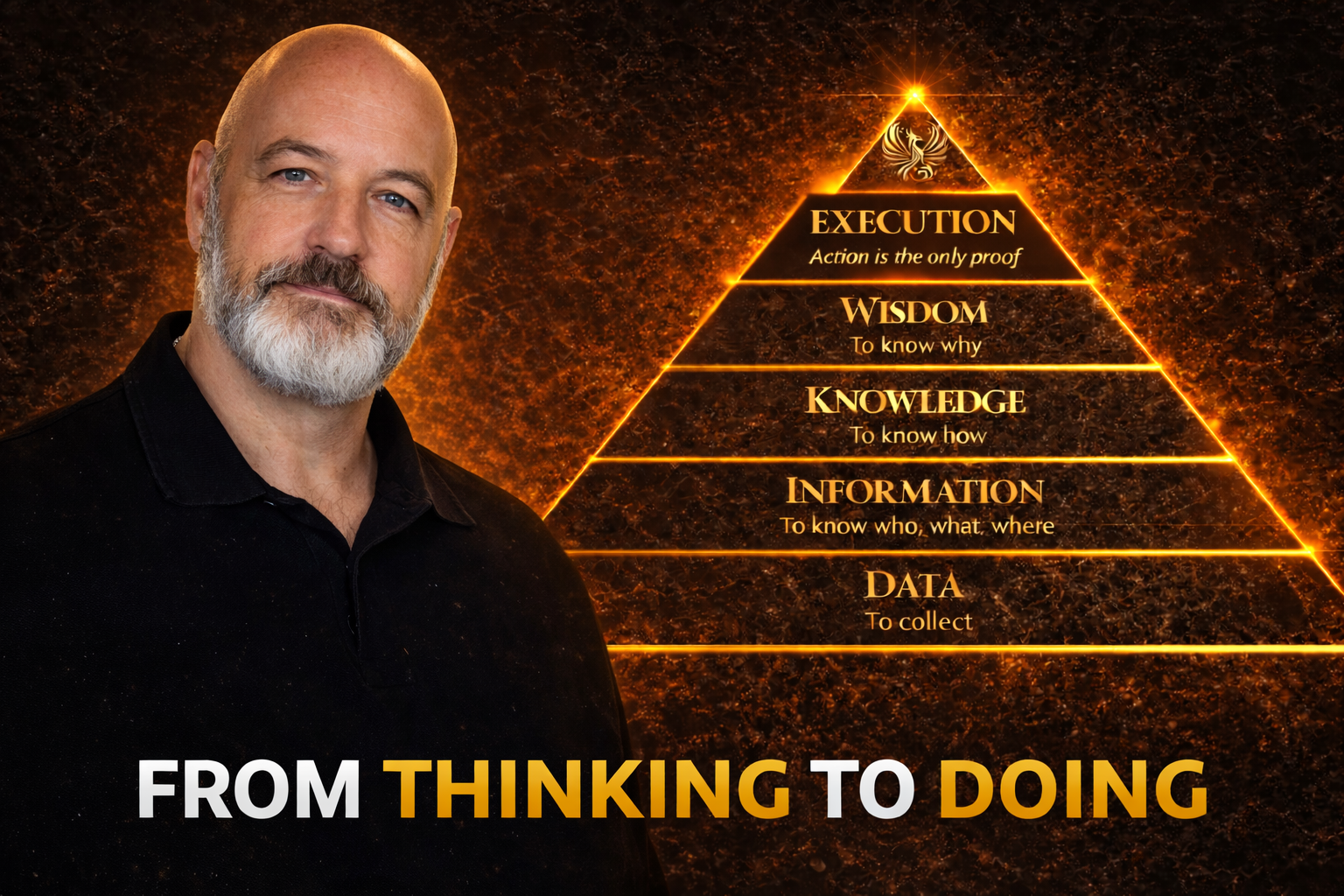
Building leadership independence is the final step. It transforms your business from founder-led to leader-led. This section guides you on fostering execution discipline and transitioning your business model.
Developing Execution Discipline
Execution discipline is about consistency. Start by setting a standard for accountability. Clear roles and responsibilities ensure everyone knows their part in achieving goals. This clarity reduces overlaps and increases efficiency.
Promote a culture of ownership. Encourage your team to take initiative and solve problems independently. This involves trusting them to make decisions and learn from outcomes, even if mistakes happen.
Celebrate successes and learn from failures. Recognising achievements boosts morale and reinforces desired behaviours. Constructive feedback helps refine processes and improves execution over time. This balance is essential for developing a resilient team that performs without constant supervision.
Transitioning from Founder-Led to Leader-Led
This transition requires a shift in mindset. It's about redefining your role from doer to enabler. Start by coaching your team. Share your expertise and insights to prepare them for leadership roles.
Create opportunities for team members to lead projects. This practical experience builds their confidence and capability. It also demonstrates your belief in their potential, fostering loyalty and commitment.
Lastly, establish a leadership framework. Define the skills and qualities you value in leaders. This framework guides development and ensures a consistent leadership style across your organisation. With these steps, your business can thrive independently, while you focus on strategic growth and innovation.
Now, take a moment to reflect. Which steps resonate with your current situation? Identifying these areas will help you take actionable steps towards a more independent and scalable business.
Read when execution matters


