How to diagnose and eliminate founder dependency in established SMEs
How to Diagnose and Eliminate Founder Dependency in Established SMEs
Founder dependency is the silent bottleneck dragging your SME’s growth to a crawl. You know where decisions stall, but the path to shift authority and install execution rhythm is unclear. This post lays out a clear diagnostic to expose where you remain the constraint, set delegation standards, and measure leadership independence. Run the 60-minute diagnostic here, then act with precision or hold the status quo.
Diagnosing Founder Dependency
Identifying and addressing founder dependency can unlock your business's potential. It starts with recognising where decisions and execution are constrained by your involvement.
Identifying the Bottleneck
Every SME faces unique challenges, but founder dependency often stands out as a significant barrier. You might notice that decisions are delayed until you weigh in, or projects stall without your direct input. These are signs that dependency has taken root. If your team is hesitant to take initiative, it's a red flag. They might be waiting for your direction or approval to the point where productivity suffers. Remember, the longer you remain the bottleneck, the harder it is for your business to grow.
Common Signs in SME Leadership
Founder dependency isn't always obvious. Common signs include decision-making that clusters around you or a team that doesn't act unless prompted. You may also find yourself constantly in the loop for minor issues, consuming your time and energy. If your absence causes noticeable dips in performance or decision-making, it's an indication that leadership hasn't been fully distributed. It's crucial to identify and address these signs to foster a more independent leadership team.
Strategies to Reduce Founder Bottleneck
Once identified, reducing founder dependency requires deliberate strategies to shift responsibilities and authority effectively to your team.
Transfer Decision Rights
Transferring decision rights is crucial. Start by mapping out key decisions and assigning them to capable team members. Begin with smaller, low-risk decisions to build trust and confidence. Gradually progress to more significant responsibilities. This shift encourages autonomous thinking and helps reduce your workload. By empowering your team to make decisions, you create an environment where leadership grows beyond your direct influence.
Delegation Standards and Guardrails
Delegation isn't just about handing off tasks; it involves setting clear standards and boundaries. Establish what success looks like with measurable outcomes. Set guardrails to keep initiatives aligned with company goals. Regular check-ins can help ensure accountability without micromanaging. This clarity helps your team operate within defined limits, enabling them to take ownership while maintaining alignment with your vision. It’s about creating a framework where delegation thrives and founder dependency diminishes.
Building Leadership Independence
Building leadership independence is about creating a system that functions smoothly without your constant input. This requires instilling a disciplined execution process and tracking progress.
Installing Execution Discipline
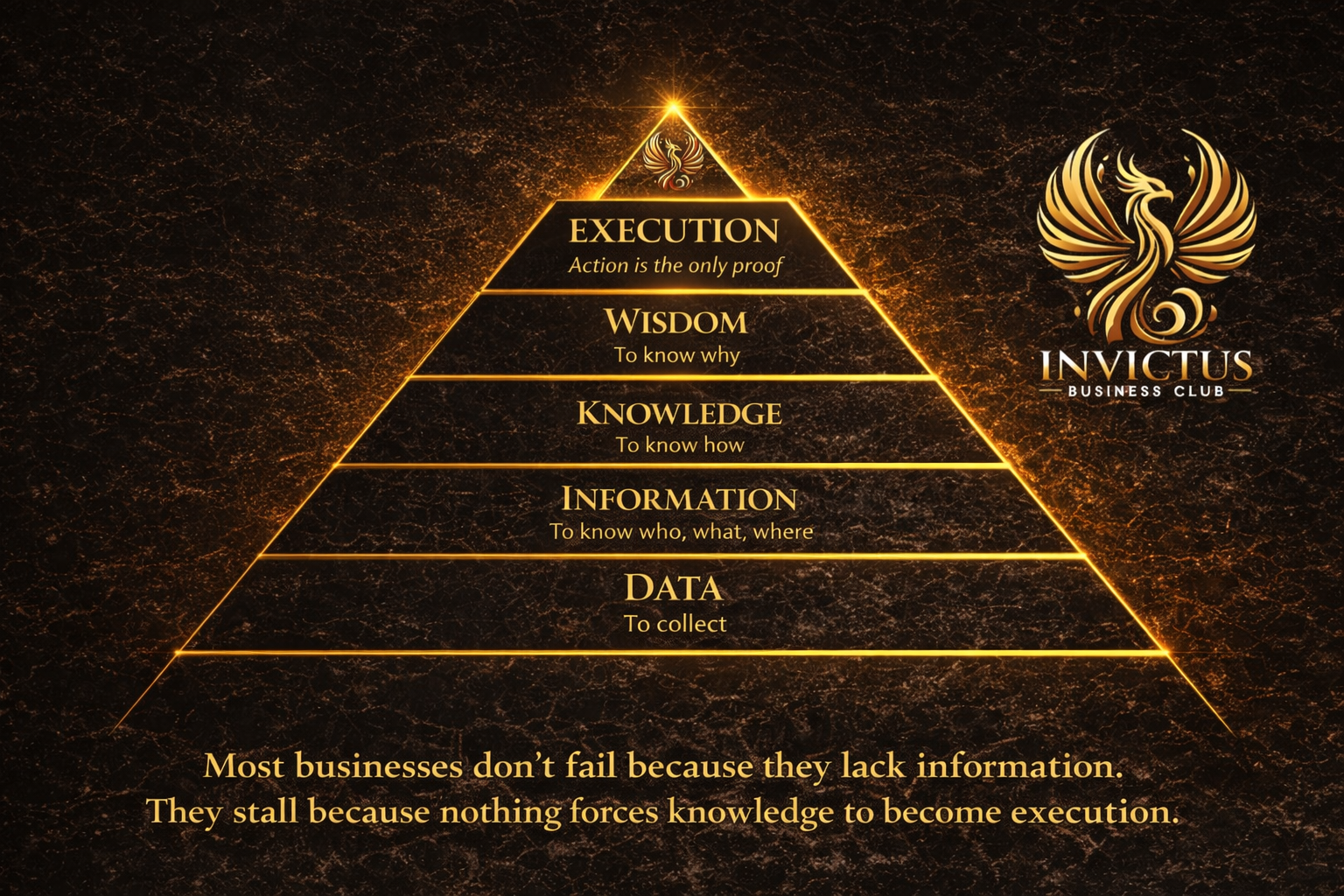
Execution discipline is key to operational success. Implement a structured approach where tasks and projects follow a consistent cadence. This involves setting routines and expectations that your team can rely on. Encourage open communication to address challenges promptly. By installing execution discipline, your team learns to function efficiently, reducing reliance on you for day-to-day operations. This shift fosters a culture where progress is consistent and predictable.
Measuring Progress in UK SMEs
Measuring progress ensures that your efforts to reduce founder dependency are effective. Use clear metrics to track leadership independence and operational efficiency. Look for improvements in decision-making speed and project completion rates. Regularly review these metrics to identify areas for further improvement. For UK SMEs, benchmarking against industry standards can provide additional insights. The aim is to create a self-sustaining leadership team that drives the business forward without your constant oversight.
By diagnosing founder dependency and implementing these strategies, you pave the way for a more agile and resilient SME. This path not only relieves personal burden but also enhances the overall capacity of your business to thrive independently.


