Leadership design that holds: moving from founder-led to leader-led
Leadership design that holds: moving from founder-led to leader-led
Most founder-led businesses stall because the founder remains the bottleneck. You know what must change, yet authority, decision rights, and execution cadence still rely on you. This is the gap leadership design must close to build a leader-led organisation that holds. Below, you’ll find the essential design principles and practical steps to shift power, embed accountability, and run your business without constant escalation. For further insights, you can read more here.
Redistributing Authority
To transition from founder-led to leader-led, redistributing authority is key. It's not just about delegating tasks; it's about empowering others to make decisions. This shift ensures that the business can thrive without constant founder intervention.
Defining Decision Rights
Start by clarifying decision rights. Who gets to decide what? This clarity prevents bottlenecks. In a leader-led organisation, decision rights are distributed to ensure smooth operation. A good approach is to map decisions based on their impact and frequency. High-impact decisions should involve senior leaders, while others can be handled by middle management. This approach not only speeds up decision-making but also builds trust within teams.
Installing Accountability Systems
Accountability is the backbone of effective leadership. Install systems that track progress and outcomes. This doesn't mean micromanaging. Use metrics that matter. For example, set quarterly goals and review them regularly. This approach keeps everyone aligned and focused on the results. Accountability systems also encourage transparency and foster a culture of responsibility.
Establishing Governance Rhythms
Governance rhythms are the routines that keep your leadership team aligned. Regular check-ins, monthly strategy reviews, and annual planning sessions create structure. This rhythm ensures that everyone is on the same page. Governance isn't just about meetings; it's about creating a structured approach to leadership. A well-established rhythm keeps the focus on strategic goals, preventing drift and maintaining momentum.
Creating Execution Cadence
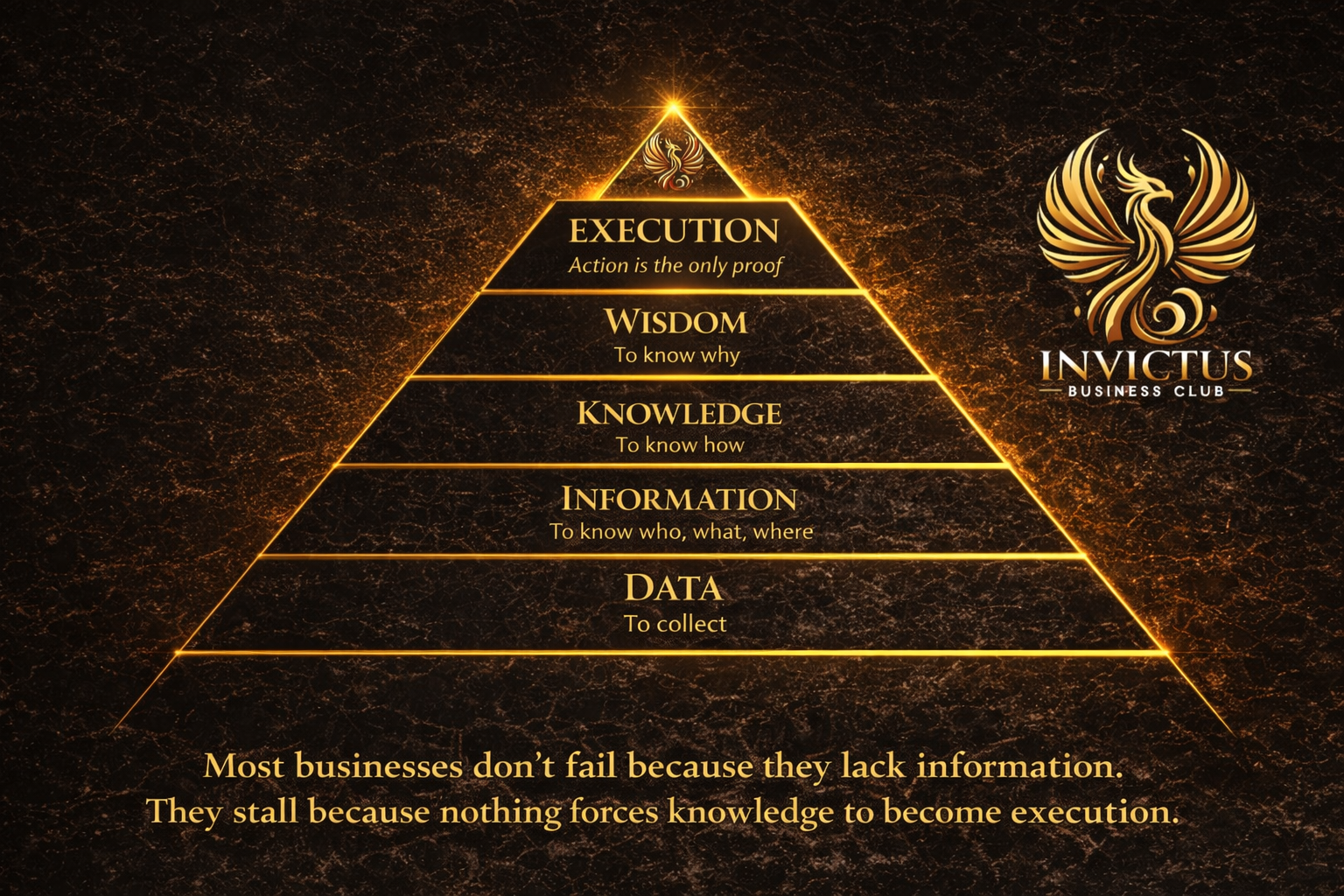
Once authority is redistributed, focus shifts to execution cadence. This is about how work flows through your organisation. An effective cadence ensures projects move from start to finish seamlessly, avoiding stalls and unnecessary escalation.
Prioritisation and Standardisation
Efficient execution starts with prioritisation. Not all tasks are equal. Identify what's critical and align resources accordingly. Standardisation helps too. By creating repeatable processes, you reduce errors and increase efficiency. Think of it like creating a playbook for your business. This playbook should include best practices and standards that everyone follows, reducing variability and improving outcomes.
Developing Delegation Frameworks
Delegation is an art. It's more than handing off tasks; it's about empowering people to take ownership. Create a framework that outlines what can be delegated and to whom. This clarity prevents confusion. A good delegation framework includes training and support, ensuring that those taking on new responsibilities are prepared and confident in their roles.
Structuring Operating Cadence
Operating cadence is the heartbeat of your organisation. It dictates the flow of work. Set clear deadlines and establish regular check-ins to keep projects on track. This structure provides predictability and reduces the risk of surprises. An effective operating cadence balances agility with discipline, allowing teams to adapt while maintaining focus on goals.
Achieving Leadership Independence
The ultimate aim is leadership independence. This means your team can operate effectively without constant oversight. Achieving this requires overcoming founder dependency and planning for the future.
Overcoming Founder Dependency
Founder dependency stifles growth. To overcome it, gradually step back from daily operations. Start by delegating smaller decisions, then move to strategic roles. This shift allows your team to grow while you focus on long-term vision. Trust is crucial; empower your leaders to make decisions and support them through the learning process.
Succession Planning in SMEs
Succession planning is critical for sustainability. Identify potential leaders early and provide them with growth opportunities. This plan ensures continuity and prepares your business for the future. Effective succession planning involves mentorship, training, and clear pathways for advancement, ensuring that your organisation is prepared for any leadership transitions.
Building a Leader-Led Organisation
A leader-led organisation thrives on shared vision and distributed leadership. Encourage collaboration and open communication. This fosters a culture where everyone feels valued and motivated. Building this culture takes time but results in a resilient organisation capable of adapting to change and seizing new opportunities. For further insights, explore this article.
In summary, transforming into a leader-led organisation is about creating systems and structures that empower others. It involves a deliberate shift in authority, execution, and leadership. By following these principles, you can build a resilient business that stands the test of time.


